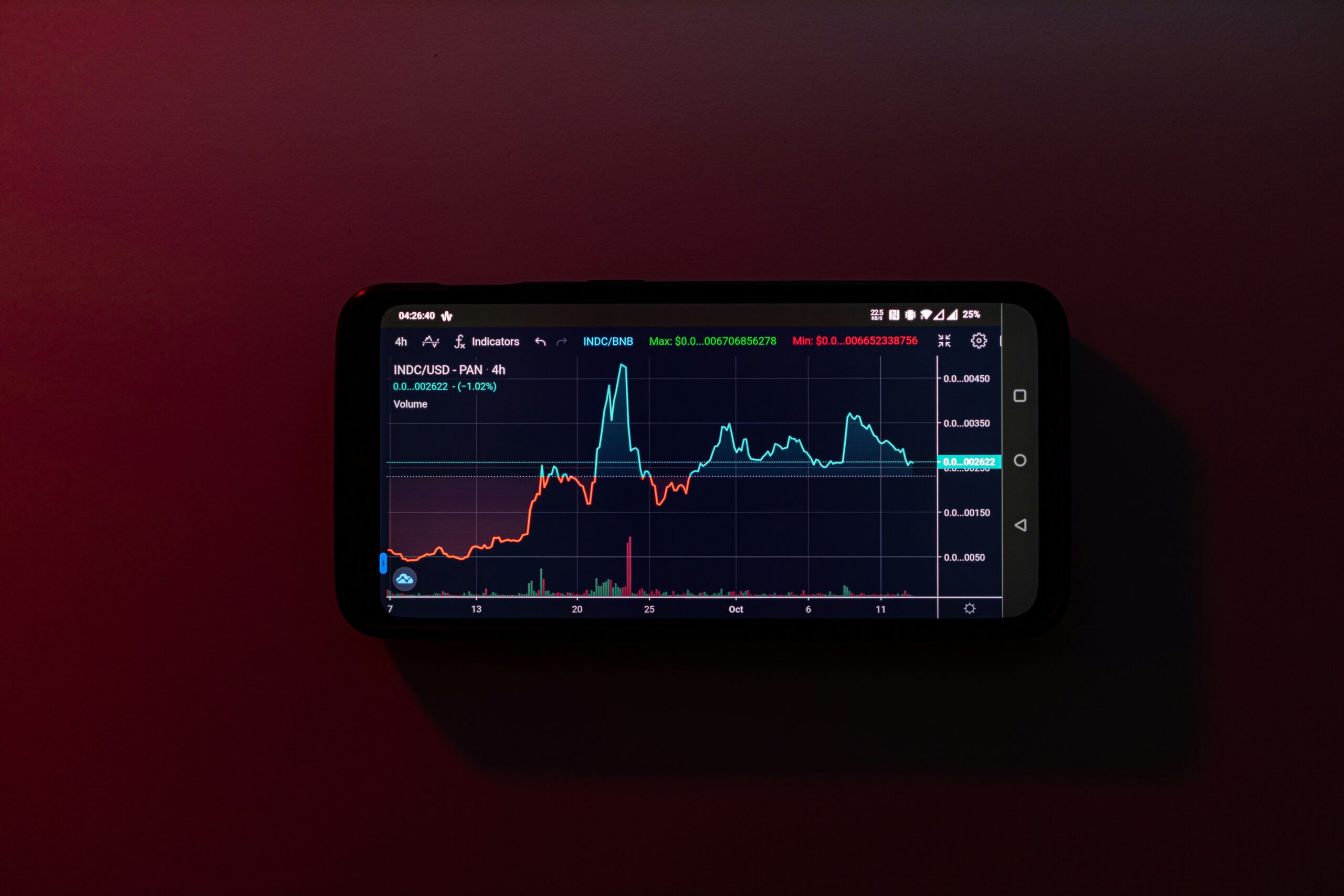
The New Foundation: Hyper-Personalized Financial Dashboards
Gone are the days of manually linking accounts. The modern financial dashboard in 2026 is built on open banking APIs and uses plaid-powered account aggregation to provide a real-time, 360-degree view. But the real evolution is in interpretation. These dashboards now categorize spending with near-perfect accuracy, using machine learning to understand context—distinguishing between a business dinner and a personal celebration. More critically, they serve as a diagnostic tool, generating a Financial Health Score that factors in liquidity, debt burden, insurance coverage, and investment diversity, much like a credit score for overall fiscal fitness.

Case Study: The HSA as a Stealth Wealth Engine
Once a simple vehicle for medical expenses, the HSA has been reimagined by fintech. Modern platforms like Lively and HealthEquity now integrate HSAs directly into the broader investment dashboard. They offer algorithmic guidance on contribution strategies, projecting future healthcare costs based on your family history and location, and recommending low-cost index fund allocations for long-term HSA growth. The tool doesn’t just see an HSA balance; it recognizes it as the only triple-tax-advantaged asset in your portfolio and optimizes its role in your retirement glide path.
The AI Co-Pilot: From Reactive Tracking to Proactive Strategy
The core of the 2026 toolkit is the embedded AI financial assistant. This isn’t a chatbot with pre-written scripts. It’s a predictive engine that analyzes cash flow, calendar events, and even economic indicators to offer anticipatory guidance.
- Cash Flow Optimization: Instead of just alerting you to a low balance, the AI might suggest, “Based on your upcoming travel booking to Aspen, I recommend delaying the purchase of new ski equipment until next Tuesday, when your credit card’s quarterly ‘apparel’ bonus category activates, earning you 5% back.”
- Debt Avalanche Intelligence: It can simulate countless payoff scenarios, but also monitor for balance transfer credit card offers or dips in HELOC rates that could save you thousands, prompting you to act.
- Tax-Loss Harvesting Automation: Integrated directly with brokerage accounts, these tools execute small, strategic loss-harvesting moves throughout the year, not just in December, seamlessly improving after-tax returns.
Specialized Tools for High-Value Financial Decisions
The ecosystem has fragmented into powerful, niche platforms that handle specific high-stakes decisions. These are the tools that answer the complex questions of affluent, financially engaged individuals.
Navigating Major Life Transactions
For home buying, a platform like Haus or Reali now offers more than mortgage comparisons. It integrates local property tax histories, projected climate risk assessments for the neighborhood, and a true cost-of-ownership model that includes maintenance forecasts. It can connect you with top-rated local real estate attorneys and negotiate lender fees on your behalf.
Similarly, insurance policy optimization services use AI to audit your existing auto, home, and umbrella policies, identifying overlaps, coverage gaps, and overpayments. They can then provide a curated shortlist of boutique insurance brokers who specialize in your demographic and asset profile.
Is Your Investment Portfolio Aligned with Your Values and Future?
The ESG (Environmental, Social, Governance) investing wave has matured into precise impact tracking. Tools like Ethic and Carbon Collective allow you to set parameters—”no fossil fuel exposure, prioritize gender diversity in leadership”—and your portfolio is continuously scanned and scored against them. Furthermore, AI-driven private wealth management services are now accessible to the upper-mass affluent, using algorithms to suggest allocations to private equity or debt funds that were previously out of reach.
The Integration Frontier: Your Financial Nervous System
The most significant trend of 2026 is the move from standalone apps to integrated systems. Your financial tools now talk to each other through secure protocols.
- Estate Planning Sync: Your will and trust documents, managed through a platform like Trust & Will, are updated in real-time as you designate new beneficiaries on your retirement accounts or purchase a new life insurance policy.
- Charitable Giving Optimizers: Tools analyze your appreciated securities and income to recommend the most tax-efficient way to fund your donor-advised fund (DAF), suggesting optimal grant timing to local community foundations or national charities.
- Healthcare Cost Projectors: Linked to your HSA and health insurer, these tools forecast annual out-of-pocket costs and recommend saving strategies, even suggesting when to switch to a high-deductible health plan (HDHP) based on your family’s predicted medical needs.
Privacy, Security, and the Human Touch in an AI-Dominated World
With great power comes great responsibility—and risk. The leading platforms now employ bank-level encryption with biometric logins and offer explicit, granular controls over what data is used for AI modeling. The role of the human advisor has evolved, not vanished. The best certified financial planners (CFPs) now use these tools as their primary interface, interpreting the AI’s output, providing behavioral coaching during market volatility, and handling complex, emotional life transitions that algorithms cannot fully grasp. The question is no longer “human vs. machine,” but how effectively they collaborate.
Conclusion: Financial Health as a Continuously Managed State
Photo Credits
Photo by Jack B on Unsplash
- The Telehealth Transformation: A Strategic Cost-Savings Engine for Modern Business – 16/03/2026
- Smart Budgeting for Healthcare in 2026: A Tech-Driven Guide to Maximizing Your Benefits – 16/03/2026
- Beyond the Ledger: How Blockchain is Finally Unlocking Efficiency in Health Benefits Administration – 16/03/2026

•
Leave a Reply