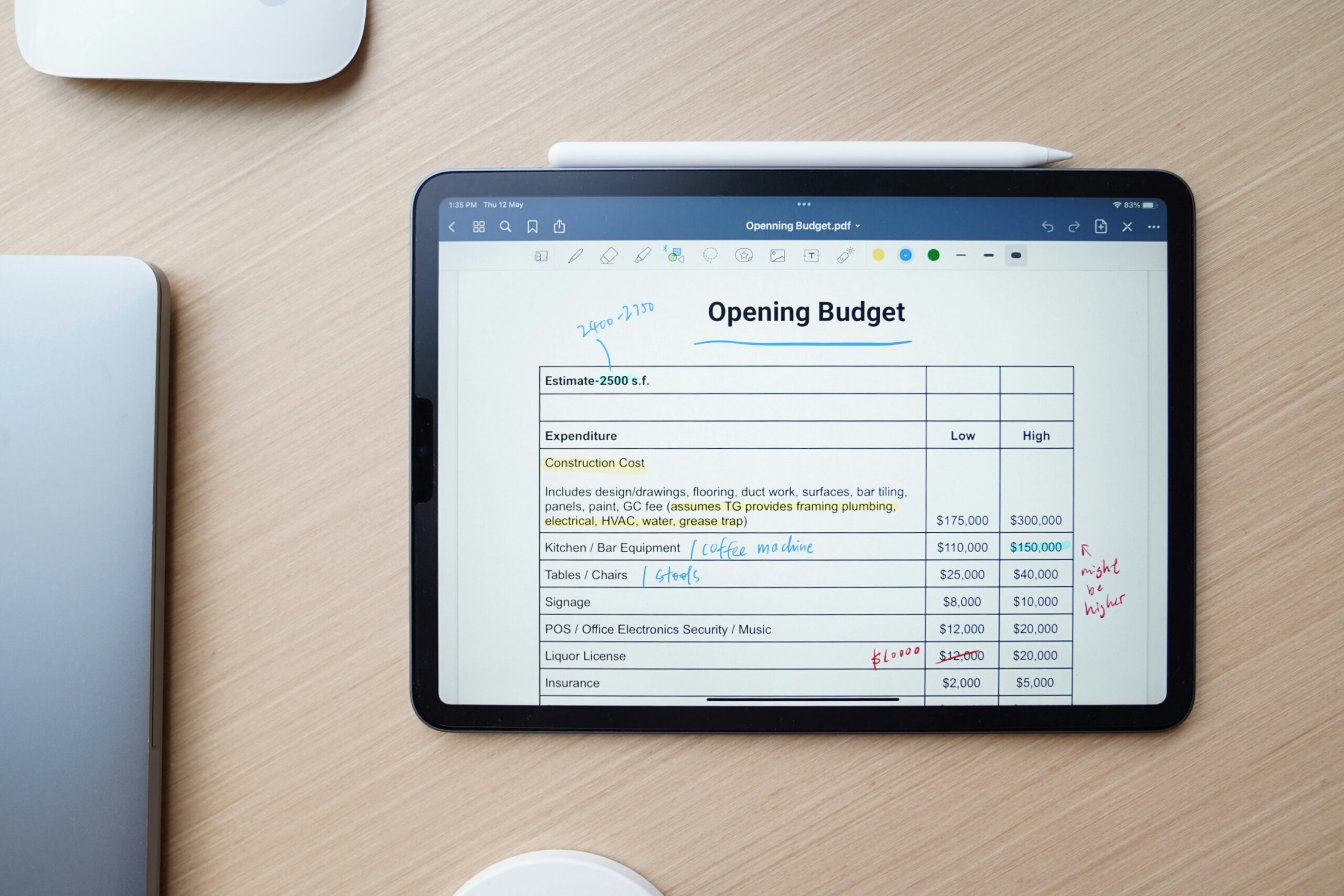
The New Era of Healthcare Consumerism
The catalyst for this shift was the 2025 Final Rule from the Centers for Medicare & Medicaid Services (CMS), which mandated real-time, patient-specific price transparency for all scheduled services. This, coupled with the maturation of AI-driven personal health platforms, has moved price discovery from an opaque guessing game to an accessible, upfront process. The modern healthcare consumer is now expected to engage in what financial planners call “strategic capital allocation” for their well-being. This involves deploying technology to audit, optimize, and forecast healthcare expenditures with the same precision one might apply to an investment portfolio.

Building Your Digital Healthcare Finance Toolkit
Effective navigation requires the right instruments. The fragmented tools of the early 2020s have consolidated into integrated ecosystems.
1. The All-in-One Benefits Navigator
Gone are the static PDF summaries of benefits. Today’s leading employer-sponsored benefits platforms and private insurance portals are dynamic dashboards. They integrate your specific plan details with AI that models scenarios. For instance, before scheduling an MRI, you can input the procedure code. The platform will not only show your exact out-of-pocket cost across different in-network imaging centers but also calculate how spending will affect your deductible and out-of-pocket maximum, and even suggest using funds from a linked Health Savings Account (HSA) or Flexible Spending Account (FSA) for optimal tax efficiency.
2. Predictive Cost Estimators and Procedure Marketplaces
Building on price transparency mandates, third-party healthcare cost comparison services have evolved. Platforms like Healthcare Bluebook and Turquoise Health now offer “Kayak-style” marketplaces for scheduled care. You can compare not only prices for a knee arthroscopy across multiple ambulatory surgery centers but also view bundled quality metrics, patient-reported outcome scores, and facility fee projections. This allows for true value-based shopping, moving the decision beyond mere cost to anticipated quality of outcome.
3. AI-Powered Prescription Managers
The scourge of prescription drug costs is being combatted by next-generation pharmacy benefit manager (PBM) apps and independent medication price comparison tools. These apps do more than show co-pays. They use AI to analyze your regimen, identifying therapeutic alternatives, suggesting manufacturer coupon programs, and pinpointing the lowest net cost pharmacy—whether a local community pharmacy, a mail-order service, or a direct-to-consumer telehealth prescription provider. Some even automate prior authorization drafts for your physician.
4. Integrated Telehealth and Virtual Primary Care
Strategic Implementation: A Quarterly Checklist
Owning the tools is one thing; wielding them strategically is another. Here is a practical framework for the tech-savvy healthcare consumer in 2026.
Q1: The Annual Benefits Audit & HSA/FSA Strategy Session
During open enrollment or at the new year, don’t just re-enroll. Use your platform’s AI modeling. Project your annual healthcare usage based on planned procedures, chronic medications, and family needs. The critical question: Does a High-Deductible Health Plan (HDHP) with an HSA investment account make more sense than a PPO? With HSA funds now portable and investable, they represent a powerful triple-tax-advantaged retirement vehicle. Simultaneously, set your FSA contribution with precision using past spending data from your app to avoid the “use-it-or-lose-it” scramble.
Q2: Mid-Year Deductible & Spending Review
By mid-year, assess your progress toward your deductible and out-of-pocket maximum. This is a pivotal moment for strategic scheduling. If you’re close to meeting your deductible, it may be financially prudent to accelerate any planned, non-urgent procedures (e.g., that elective cataract surgery or physical therapy) into the current year, as your insurance will begin covering a higher percentage. Conversely, if you’re far from your deductible, leveraging cash-pay direct primary care or negotiating cash prices for medications might be more cost-effective.
Q3: Preventive Care & Advanced Planning
Use this quarter to ensure all 100%-covered preventive care (annual physicals, screenings, immunizations) is completed. Schedule Q4 appointments now to avoid year-end bottlenecks. Furthermore, begin researching and price-comparing any known major procedures needed for the following year. Engage with hospital patient financial advocates early to understand payment plan options or potential financial assistance.
Q4: FSA Utilization & Year-End Optimization
Scramble no more. Your FSA manager app should send proactive alerts about remaining balances and suggest eligible purchases—from advanced first-aid kits to premium sunscreen. This is also the time to fully fund your HSA for the year, if possible, and to review your annual healthcare spending analytics provided by your consolidated platform. This data is invaluable for making even smarter choices in the upcoming year’s enrollment.
The Future Is Proactive and Personalized
The trajectory is clear. The next frontier, already emerging in 2026, involves deeper wearable data integration and predictive health analytics. Imagine your benefits platform, with your consent, analyzing anonymized data from your smartwatch or continuous glucose monitor. It could nudge you toward a diabetes prevention program now, potentially averting tens of thousands in future costs, or recommend a tailored physical therapy provider network based on your biomechanical data to prevent a recurring injury.
The power dynamic in healthcare is shifting. The tools for transparency, comparison, and forecasting are now in the palms of our hands. By adopting the mindset of an active portfolio manager for your health and financial well-being, you can transform the annual anxiety of healthcare costs into a structured, confident strategy. In doing so, you maximize not only your financial benefits but also your most valuable asset: your long-term health.
Photo Credits
Photo by GoodNotes 5 on Unsplash
- The Telehealth Transformation: A Strategic Cost-Savings Engine for Modern Business – 16/03/2026
- Smart Budgeting for Healthcare in 2026: A Tech-Driven Guide to Maximizing Your Benefits – 16/03/2026
- Beyond the Ledger: How Blockchain is Finally Unlocking Efficiency in Health Benefits Administration – 16/03/2026

•
Leave a Reply