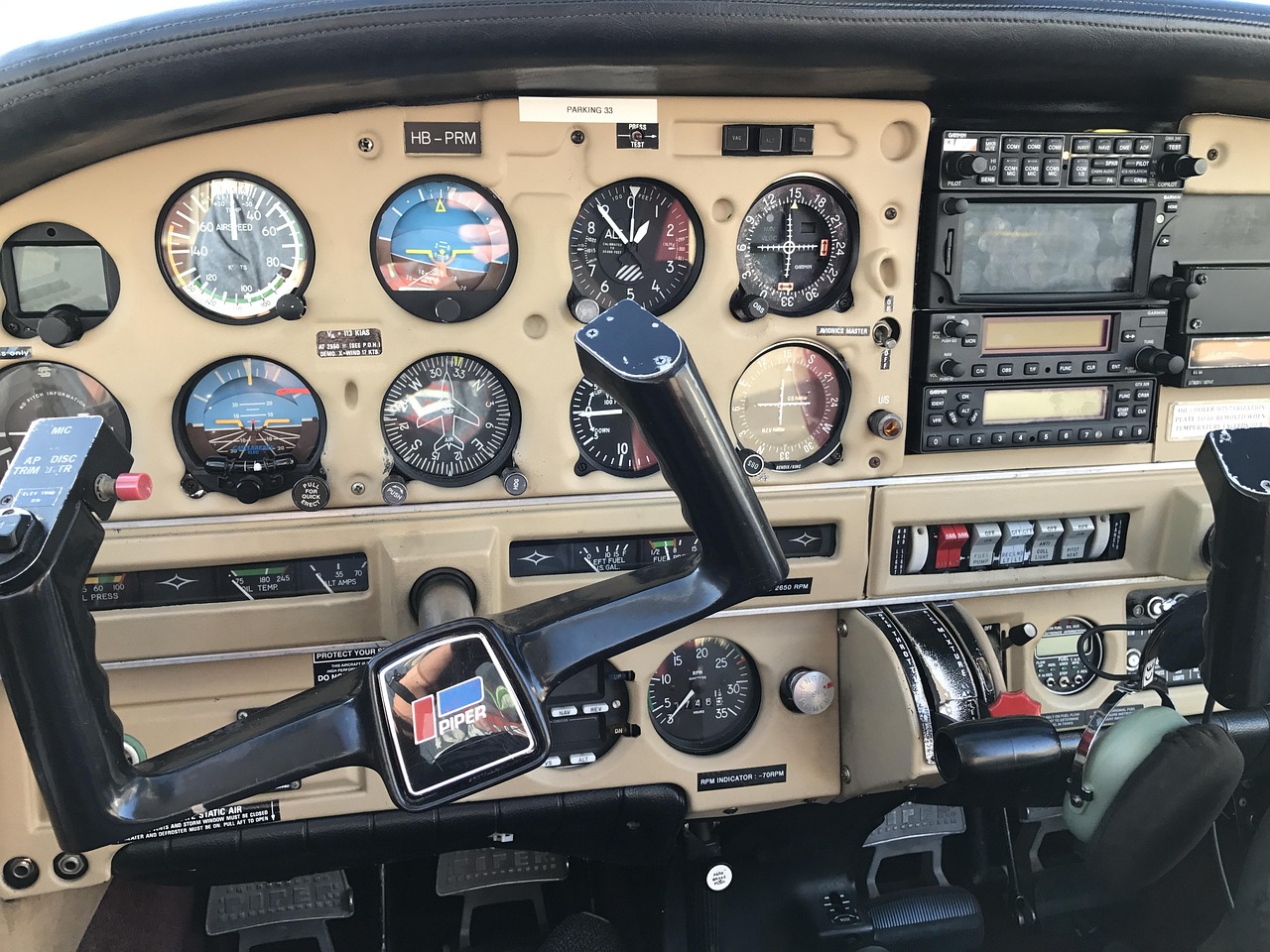
For many aspiring pilots, the dream of a career in the skies meets a formidable barrier long before takeoff: the substantial financial investment required for training. The journey from a first flight lesson to the right seat of a commercial airliner demands not only dedication but also significant capital for licenses, ratings, and the crucial flight hours that airlines seek.
This financial hurdle has created a paradox where an industry facing a well-documented pilot shortage simultaneously sees a pool of qualified, passionate candidates unable to bridge the funding gap. In response, a transformative model has gained considerable momentum, fundamentally altering the career pathway for the next generation of aviators.
Understanding the Airline-Sponsored Training Model
Airline Sponsored Pilot Training Programs represent a strategic partnership between carriers and flight training organizations. Unlike traditional self-funded paths, these initiatives are designed to identify talent early and provide a structured, often accelerated, route to a cockpit seat with the sponsoring airline.
The core value proposition is a clear roadmap. Candidates are selected through a competitive process and then enter a training pipeline that is directly aligned with the airline’s operational standards and hiring needs. This creates a symbiotic relationship: the airline cultivates a pipeline of pilots trained to its specific protocols, while the student gains a defined career trajectory and financial support.
How Sponsorship Structures Typically Work
Not all sponsored programs are identical. The financial and contractual arrangements can vary, making it essential for candidates to understand the specifics. Common structures include:
- Direct Financing or Tuition Reduction: The airline may cover a portion of the training costs upfront, either through direct payment to the flight school or by offering reduced tuition rates at a partner academy.
- Conditional Job Offers: Upon successful completion of the training program and obtaining the necessary certifications, the candidate receives a conditional offer of employment, typically as a First Officer.
- Loan or Reimbursement Agreements: Some programs offer low-interest loans for training, which are then forgiven over a set period of service with the airline. Others may provide reimbursement for certain ratings after employment begins.
The Tangible Benefits of a Sponsored Pathway
Choosing an airline-sponsored route offers advantages that extend far beyond financial assistance. It provides a holistic framework for professional development within the aviation ecosystem.
Career Certainty in a Dynamic Industry
In an industry subject to economic cycles, the clarity of a sponsored program is invaluable. While not an absolute promise, it provides a vetted transition from student to professional pilot with a specific carrier. This reduces the uncertainty of job hunting post-certification and allows for focused skill development.
Streamlined and Standardized Training
Training within a sponsored program means learning the airline’s preferred procedures, technologies, and safety culture from day one. This standardization can lead to a more efficient training experience and a smoother integration into initial operating experience (IOE) once hired.
- Exposure to airline-specific aircraft systems and protocols.
- Mentorship from current line pilots and training captains.
- A curriculum designed to meet the airline’s precise hiring benchmarks.
Key Considerations and Eligibility Factors
These programs are highly competitive and come with specific expectations. Prospective applicants must conduct thorough due diligence to ensure a program aligns with their personal and professional goals.
Common Prerequisites for Applicants
While requirements vary, most airline-sponsored initiatives look for candidates who demonstrate not just academic aptitude, but also the professional demeanor required for a cockpit career.
- Educational Background: A minimum of a high school diploma is standard, though many programs favor or require a college degree.
- Medical Certification: The ability to obtain a First-Class FAA Medical Certificate is a non-negotiable first step.
- Right to Work: Eligibility to work in the United States and, often, a valid passport.
- Soft Skills Assessment: Rigorous interviews and assessments evaluating communication, decision-making, teamwork, and situational judgment.
Evaluating the Commitment
It is crucial to read the fine print. Sponsorship agreements are professional contracts that outline mutual responsibilities.
- Service Obligations: Many programs require a minimum period of service, often several years, with the airline after training.
- Performance Standards: Maintaining specific grades and check-ride performance throughout training is typically mandatory to remain in the program.
- Financial Responsibility: Understand precisely what costs are covered and what, if any, debt obligation you may incur, especially if you do not complete the program or the subsequent service term.
Navigating the Landscape of Available Programs
The market for Airline Sponsored Pilot Training Programs has expanded significantly. They are offered by a range of carriers, from major network airlines to regional operators and cargo carriers. Each has its own focus, fleet, and career progression timeline.
Prospective pilots should research programs based on several factors: the airline’s operational base and potential relocation requirements, the type of aircraft flown (regional jet, turboprop, mainline narrow/wide-body), company culture, and the long-term career progression opportunities the airline is known for.
The Application and Selection Process
Gaining entry into a top-tier sponsored program is a multi-stage endeavor designed to identify candidates with the highest potential for success.
- Initial Screening: A detailed application, including transcripts, test scores, and personal essays.
- Standardized Testing: Assessments may include cognitive aptitude tests, personality inventories, and psychomotor skills evaluations.
- In-Person Interview: A formal panel interview, often with airline hiring managers and senior pilots, and potentially a simulator assessment.
- Background Check: A comprehensive review of driving, credit, and criminal history, in line with FAA and airline security protocols.
For the dedicated individual, airline-sponsored training represents a paradigm shift. It transforms pilot training from a solitary, speculative investment into an integrated career development program. By directly addressing the primary barrier of capital, these initiatives open the door to a diverse range of candidates, strengthening the pilot pipeline for the future.
The decision to pursue such a path requires careful research and self-assessment. However, for those who meet the criteria and are prepared for the commitment, these programs offer a structured and supported journey from initial interest to a professional cockpit, providing a clear route to achieving a rewarding career in the skies.

Leave a Reply