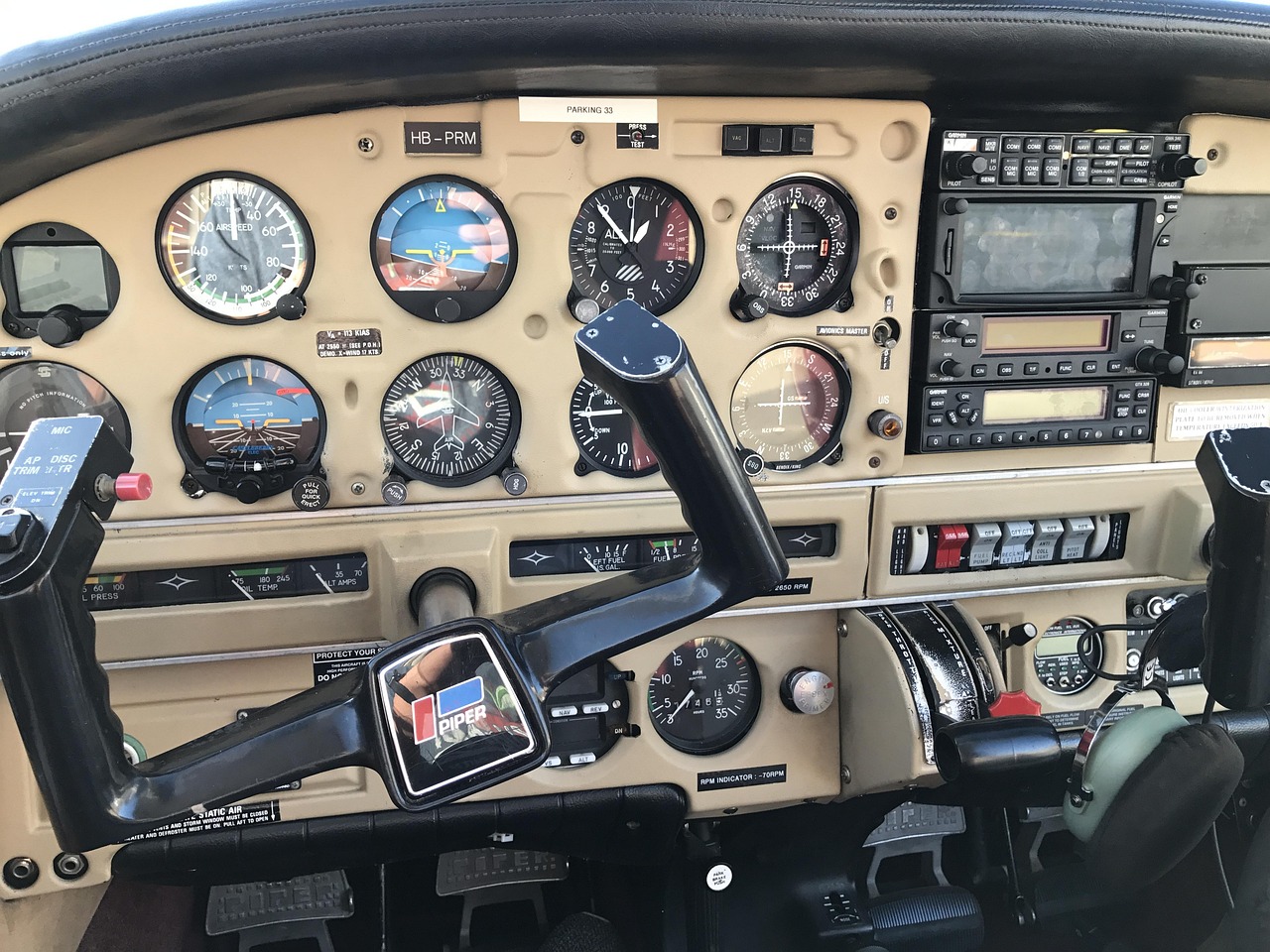
The aviation industry is experiencing a generational surge, with passenger numbers soaring and fleets expanding to meet global demand. This growth has created an unprecedented need for new pilots, presenting a unique window of opportunity for those with the ambition to fly. However, the traditional path to the cockpit is often a formidable financial and logistical challenge.
For decades, aspiring aviators have faced a daunting proposition: invest a significant sum upfront for training, build flight hours independently, and then hope to secure a highly competitive position with an airline. This model leaves many qualified candidates grounded before they ever leave the runway.
The Modern Pathway: Airline Sponsored Pilot Training
In response to the pilot demand, a transformative model has taken flight. Airline sponsored pilot training programs represent a fundamental shift in how new aviators are developed. These initiatives are designed not just to train pilots, but to cultivate future First Officers within a structured, airline-vetted ecosystem.
Unlike standalone flight schools, these programs are built in close partnership with—and often directly funded by—major carriers. Their primary objective is to create a reliable pipeline of pilots trained to the specific operational and safety standards of the sponsoring airline from day one.
How Sponsored Programs Differ from Traditional Training
Understanding the distinction is crucial for any candidate evaluating their options. The traditional path is largely self-directed, while the sponsored route is an integrated career pathway.
- Curriculum Alignment: Training is tailored to the airline’s specific aircraft, procedures, and corporate culture, providing a seamless transition upon program completion.
- Financial Structure: Many programs offer financing solutions, tuition reimbursement, or stipends, directly addressing the capital barrier that hinders many aspiring pilots.
- Career Certainty: Successful graduates typically receive a conditional job offer or a direct pathway to a First Officer seat, removing the post-certification job search uncertainty.
- Mentorship & Networking: Trainees benefit from direct interaction with airline personnel, gaining invaluable insights and professional connections throughout their training.
Key Benefits of an Airline-Sponsored Pathway
Choosing a sponsored program is a strategic career decision. The advantages extend far beyond the potential financial support, offering a holistic preparation for an airline career.
1. A Curriculum Built for Airline Operations
These programs are engineered with airline input. You’re not just learning to fly; you’re learning to fly the way your future employer operates. This includes advanced training in:
- Crew Resource Management (CRM): The foundational philosophy of modern, multi-pilot cockpit operations.
- Advanced Avionics & Systems: Early exposure to the glass cockpit technology used in commercial fleets.
- Airline-Specific Procedures: From checklists to communication protocols, you build muscle memory for your target airline’s standards.
2. Streamlined Progression and Reduced Risk
The path from student to airline pilot is clearly mapped. This structured environment minimizes delays and ensures you meet each milestone with the required proficiency. The integrated nature of the training means every hour you log is a deliberate step toward your airline qualification.
3. Immersion in a Professional Culture
From the outset, you are treated as a future airline employee. This professional immersion is invaluable, fostering the mindset, discipline, and operational readiness that airlines prioritize. You learn the importance of safety culture, scheduling reliability, and the operational tempo of a major carrier.
What to Look for in a Quality Program
Not all sponsored programs are created equal. Due diligence is essential. Prospective candidates should thoroughly evaluate several key factors before committing.
- The Airline Partner’s Reputation: Research the sponsoring airline’s operational history, financial stability, and pilot growth projections.
- Clarity of the Career Agreement: Understand the exact terms. Is it a conditional job offer contingent on performance, or a guaranteed interview? What are the service commitments?
- Training Facility & Instructor Quality: Visit if possible. Assess the equipment, fleet maintenance, and the experience level of the instructors, many of whom should be current or former airline pilots.
- Graduate Success Metrics: Ask for data on completion rates, first-time pass rates on FAA checkrides, and the timeline for graduates to begin airline indoctrination.
- Total Cost & Financial Terms: Obtain a complete, detailed breakdown of all costs and the specifics of any financing, scholarships, or reimbursement structures.
The Candidate Profile: Who Thrives in These Programs?
While these programs are designed to be accessible, they are also highly selective and demanding. Successful candidates often share common traits beyond a passion for aviation.
A strong aptitude for structured learning, resilience under pressure, and exceptional communication skills are paramount. Airlines are investing in future colleagues, so professionalism, integrity, and a demonstrated commitment to safety are non-negotiable.
- Academic Rigor: The ground school portion is intensive, covering advanced aeronautics, meteorology, and regulations.
- Adaptability: Training can be fast-paced, requiring quick assimilation of complex information and the ability to perform consistently.
- Team Orientation: Aviation is a team sport. The ability to work effectively within a crew is assessed continuously.
Navigating the Application and Selection Process
The application process for a top-tier airline sponsored pilot training program is multi-faceted. It is designed to identify candidates with the highest potential for success in both training and a long-term airline career.
Expect a process that may include standardized testing for aptitude, rigorous interviews focusing on decision-making and situational judgment, and thorough background checks. Preparation is key; approach it with the same seriousness as a direct job application to the airline itself.
Preparing for a Career Aloft
The journey through a sponsored program is challenging but purpose-driven. Each phase of training builds upon the last, creating a comprehensive aviator. From initial solo flight to mastering multi-engine jet procedures, the curriculum is a calculated ascent toward airline readiness.
This model represents the most direct route to a high-growth career in modern aviation. It aligns the interests of the aspiring pilot with the urgent needs of the industry, creating a sustainable pipeline of talent. For those who meet the criteria, it offers a clear, vetted, and efficient transition from aspiration to the cockpit of a leading airline.
The current landscape in aviation presents a rare alignment of industry need and structured opportunity. For individuals seeking a dynamic career with a clear trajectory, exploring an airline sponsored pilot training program is a logical and strategic first step. The detailed research into specific programs, their partners, and their outcomes will provide the necessary information to determine if this accelerated pathway aligns with your professional aviation goals.

Leave a Reply