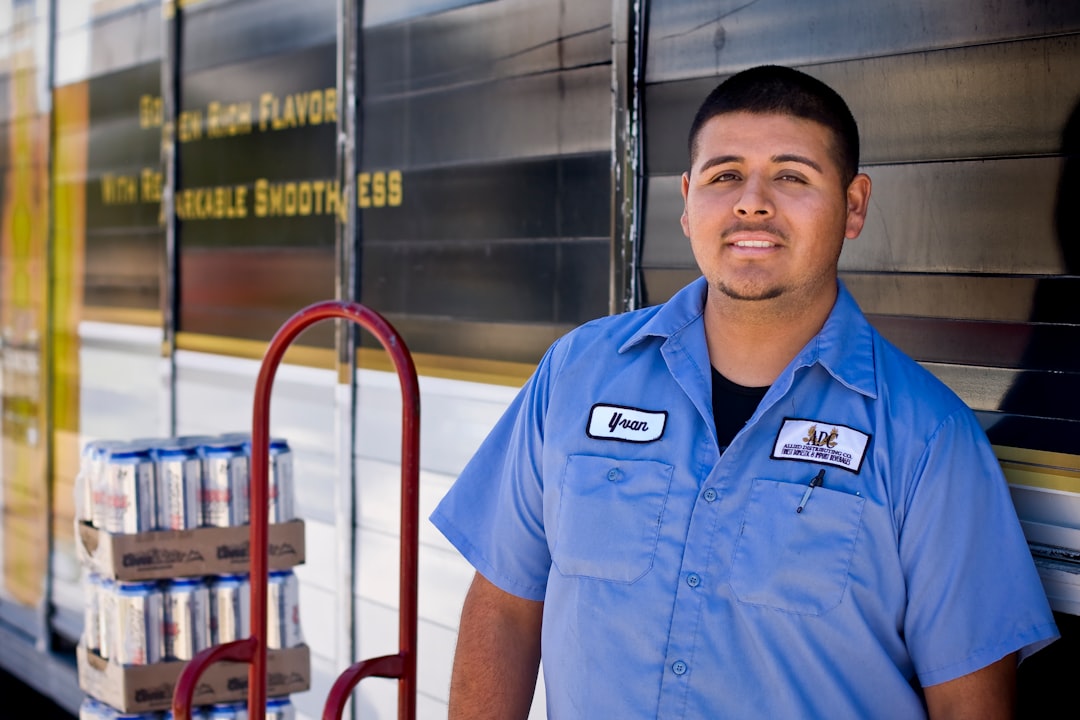
The American highway is more than a ribbon of asphalt; it’s a vital artery of commerce, and the professionals behind the wheel are its lifeblood. For decades, the image of a truck driver was one of a solitary figure on a long-haul journey. Today, that picture is transforming. Trucking has evolved into a multifaceted professional career, offering specialized niches, advanced technology, and structured paths for growth that rival traditional office jobs.
This shift means that finding the right position is less about searching for any “truck driver jobs near me” and more about strategically aligning your skills and lifestyle goals with the right segment of the industry. The opportunities are vast, but so are the challenges, particularly when it comes to achieving a sustainable work-life balance.
The Modern Trucking Career Landscape: Beyond the Long Haul
Gone are the days when driving a truck meant one thing. The industry has diversified, creating roles that cater to different preferences, from daily home time to regional or national routes. Understanding these niches is the first step in building a purposeful career.
Specialized Driving Niches in High Demand
Specialization often commands premium pay and offers more predictable work. Key areas include:
Hazmat & Tanker: Transporting chemicals, fuels, or gases requires additional endorsements (Hazardous Materials, Tanker, often both) and stringent safety protocols. The responsibility is high, and so is the compensation.
Flatbed & Heavy Haul: This involves securing and transporting oversized or irregular loads like construction materials, machinery, or wind turbine blades. It’s physically demanding work that offers variety and technical challenge.
Refrigerated (Reefer): Hauling temperature-sensitive goods like food and pharmaceuticals. Drivers must monitor cargo conditions closely, making it a detail-oriented role with consistent freight demand.
Dedicated & Regional Routes: Often the sweet spot for drivers seeking balance. These positions involve contracted work for a specific customer or operating within a defined geographic region, leading to highly predictable schedules.
Last-Mile Delivery: The explosion of e-commerce has fueled demand for drivers who operate smaller vehicles (often non-CDL box trucks or vans) to deliver goods directly to homes and businesses, typically with daily home time.
The Technology Transformation
Modern trucks are rolling tech hubs. Understanding and utilizing this technology is now a core professional skill.
Advanced Safety Systems: Collision mitigation, lane departure warnings, and electronic stability control are becoming standard, making roads safer for everyone.
Telematics & ELDs: Electronic Logging Devices (ELDs) automate hours-of-service tracking. Integrated telematics systems provide real-time data on vehicle health and driver performance, used for coaching and efficiency.
Route Optimization Software: Dispatchers and drivers use sophisticated platforms to plan the most efficient routes, accounting for traffic, weather, and service times.
The Central Challenge: Inconsistency and Its Impact
Despite these advancements, a pervasive issue undermines the potential of a driving career for many: inconsistent dispatching. This isn’t just a minor inconvenience; it’s a systemic problem that affects every aspect of a driver’s life.
When your schedule is a constant variable, planning becomes impossible. The consequences are real and far-reaching:
Financial Uncertainty: Fluctuating weekly miles lead to unpredictable paychecks. Budgeting for bills, savings, or family expenses becomes a stressful guessing game.
Personal Life Disruption: Missing important family events, children’s activities, or simply being unable to commit to a weekly dinner date erodes quality of life and strains relationships.
Increased Fatigue & Burnout: The mental load of never knowing what’s next—where you’re going, when you’ll be home—compounds physical tiredness, leading to quicker burnout and higher turnover.
Inefficient Operations: For carriers, constantly reassigning drivers and loads is operationally inefficient, leading to empty miles and reduced asset utilization.
Redefining the Search: What to Look For Beyond “Truck Driver Jobs Near Me”
A strategic career move requires looking past generic job listings. The goal is to find a role within a company whose operational model is designed to provide stability. When evaluating potential employers, these are the critical factors to prioritize.
Key Indicators of a Stable Driving Position
Clarity on Home Time Policy: Look for specific, written policies. Do they offer “home weekly,” and what does that actually mean? Is it 34 hours, or a full weekend? The best companies define it clearly and consistently.
Dedicated Fleet or Customer Accounts: Companies with dedicated contracts have predictable freight flows. This allows them to build consistent schedules for their drivers, as the work is pre-planned and recurring.
Transparent Pay Structure: Seek out companies that offer a mix of mileage pay, stop pay, and activity pay that rewards all your work. Ask about the average weekly miles their drivers in a similar role achieve—this is a more telling metric than a high cents-per-mile rate with no miles.
Driver-First Communication: How does dispatch communicate? Is it a collaborative relationship where your input on routes or home time is valued, or is it purely top-down? Low driver turnover is often a strong signal of good communication.
Questions to Ask in an Interview
Turn the interview into a two-way street. Come prepared with questions that probe for the consistency you need:
“Can you walk me through a typical week for a driver in this role, from dispatch to home time?”
“What percentage of your fleet is on dedicated or predictable regional runs?”
“How do you handle schedule disruptions to protect a driver’s planned home time?”
“What tools do you provide to help drivers plan their trips and see their schedule in advance?”
The Professional Path Forward: Building a Sustainable Career
Building a long-term career in trucking is about intentionality. It involves continuous improvement and strategic choices.
Invest in Endorsements: Earning your Hazmat, Tanker, Doubles/Triples, or Passenger endorsements dramatically expands your marketability and access to higher-paying, often more predictable, specialized roles.
Prioritize Safety Record: Your driving record is your professional resume. A clean CSA score and accident-free history are your greatest assets when seeking the best positions.
Seek Mentorship & Training: Many reputable companies offer robust training programs for new drivers and ongoing development for experienced ones. Aligning with a company that invests in your skills is a sign of a long-term partnership.
The future of trucking is professional, specialized, and, increasingly, balanced. The core of a rewarding career no longer rests solely on endurance for the long haul, but on finding an operational model that values predictability as much as productivity. The most sought-after positions are those that solve the dispatching puzzle, providing drivers with consistent, repeatable routes. This structure turns a volatile job into a stable career, offering the reliable balance of miles and home time that allows professional drivers to thrive both on the road and in their personal lives.

Leave a Reply